Ghost Layered Design: A Practical Approach to Workflow Integration
Ghost Layered Design is a method that emphasizes the strategic use of layers in creative and planning processes. It allows users to break down complex tasks into manageable components, ensuring clarity, efficiency, and consistency throughout execution. This approach is particularly useful in design workflows, project management, and creative production where multiple elements need to be organized and executed cohesively.
The Ghost Layered Design template offers a structured framework that can be applied across various disciplines. Whether you're working on a visual project, a business plan, or a personal goal, this design system provides a foundation for layering ideas, resources, and actions in a way that supports both short-term objectives and long-term outcomes.
Understanding Ghost Layered Design
At its core, Ghost Layered Design is about organization and intentionality. It involves creating a layered structure that separates different aspects of a task or project, making it easier to manage and execute. Each layer represents a distinct phase or component, allowing users to focus on one element at a time without becoming overwhelmed by the whole.
This concept fits naturally into broader processes such as project planning, content creation, product development, and even personal productivity. By breaking down a larger goal into smaller, interconnected parts, users can maintain control over their workflow while ensuring that each step aligns with the overall vision.
For example, in a design project, the first layer might involve conceptualization, the second could focus on layout and composition, and the third might handle final touches and quality checks. This structured approach helps prevent errors, reduces rework, and improves the overall quality of the output.
Applying Ghost Layered Design in Real-World Workflows
Ghost Layered Design can be used before, during, or after a project, depending on the needs of the user. Before starting a task, it helps in defining clear objectives and identifying the necessary steps. During execution, it ensures that each phase is completed systematically, reducing the risk of oversight or confusion. After completion, it aids in evaluation and refinement, helping users learn from their work and improve future efforts.
Consider a marketing campaign. The initial layer might involve research and strategy, followed by content creation, then execution and monitoring. Each layer builds upon the previous one, allowing for adjustments and optimizations as needed. This method ensures that every stage of the campaign is well-planned and aligned with the overall goal.
In a creative process, such as graphic design or illustration, Ghost Layered Design can help organize elements like sketches, color schemes, and typography. By separating these components into distinct layers, designers can experiment more freely, make changes without disrupting the entire project, and maintain a cohesive visual identity.
Integration with Tools and Resources
Ghost Layered Design works well with a variety of tools and platforms. Digital design software like Adobe Illustrator or Photoshop can benefit from this approach, as it allows users to manage different aspects of a project within separate layers. Similarly, project management tools such as Trello or Asana can incorporate the concept by breaking tasks into phases or stages.
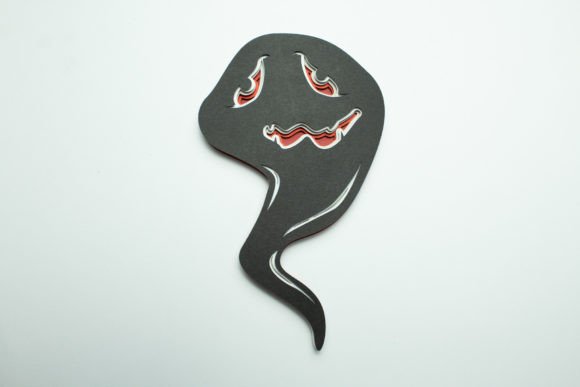
When working with physical materials, such as cardstock or other craft supplies, the Ghost Layered Design template provides a clear guide for organizing steps and materials. The included PDF instructions offer detailed guidance on how to create the craft, ensuring that users can follow the process smoothly and efficiently.
For those using digital assets, the template’s SVG, PDF, EPS, PNG, and DXF formats make it easy to integrate into different workflows. These file types allow for flexibility in editing, printing, and sharing, making the design accessible across multiple platforms and devices.
Practical Implementation Tips
To get the most out of Ghost Layered Design, start by identifying the key components of your project or task. Break them down into logical layers, and assign each layer a specific purpose or goal. This will help you stay focused and avoid unnecessary complexity.
Use the provided templates and instructions as a starting point, but don’t be afraid to customize them based on your unique needs. For instance, if you’re working on a business plan, you might add layers for market research, financial projections, and risk analysis. If you’re designing a website, you could include layers for layout, content, and user experience.
Consistency is key when applying Ghost Layered Design. Ensure that each layer follows a similar structure or format, so that the entire project feels cohesive and well-organized. This also makes it easier to review and refine each part of the work without losing track of the bigger picture.
Workflow Examples and Observations
One practical example of Ghost Layered Design in action is in the creation of a handmade greeting card. Using the provided cardstock and template, you can layer elements like background, text, and embellishments to build a finished product step by step. This approach not only simplifies the process but also allows for greater creativity and precision.
Another example is in the planning of a small business launch. The first layer could involve market research and branding, the second might focus on product development, and the third could cover marketing and sales strategies. By structuring the process in this way, entrepreneurs can ensure that each step is carefully considered and executed.
Observing how different users apply Ghost Layered Design can provide valuable insights. Some may find it helpful for managing daily tasks, while others may use it for large-scale projects. The key is to adapt the method to fit your specific needs and goals.
Factors to Consider for Long-Term Use
When integrating Ghost Layered Design into your routine, consider factors such as preparation, compatibility, and usability. Proper preparation ensures that you have all the necessary tools and resources in place before starting a project. Compatibility refers to how well the design system works with your existing tools and workflows. Usability is about how easy it is to implement and maintain over time.
Organization and efficiency are also important. A well-structured layered design can save time and reduce errors, making it a valuable addition to any workflow. Consistency in how you apply the method will help reinforce good habits and improve overall productivity.
Quality control is another key factor. By reviewing each layer individually, you can catch issues early and make adjustments before they become major problems. This proactive approach ensures that the final result meets your standards and expectations.
Conclusion
Ghost Layered Design offers a practical and flexible approach to organizing and executing tasks. Whether you're working on a creative project, a business plan, or a personal goal, this method can help you break down complex processes into manageable steps. By using the provided templates and instructions, you can streamline your workflow, improve efficiency, and achieve better results.
As you explore the possibilities of Ghost Layered Design, remember to adapt it to your specific needs and goals. With careful planning and consistent application, this method can become an essential part of your creative or professional process.