Abstract 3D Backgrounds with Geometric Designs: A Modern Visual Trend
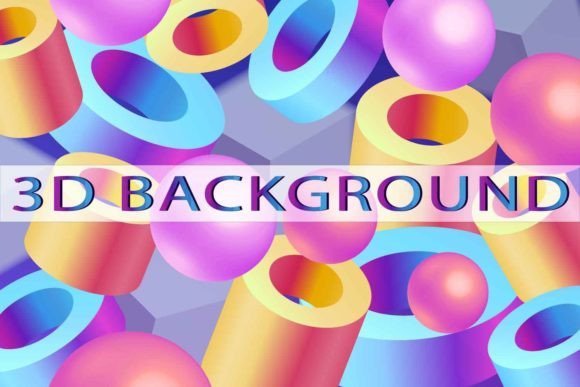
In today’s digital age, visual design plays a crucial role in capturing attention and conveying messages effectively. One of the most popular and visually striking trends in graphic design is the use of abstract 3D backgrounds featuring geometric design elements. These backgrounds often incorporate shapes like spheres, cylinders, and other abstract forms, combined with vibrant colors to create dynamic and eye-catching visuals. Whether you're a designer, a business owner, or someone interested in digital art, understanding the significance and applications of these backgrounds can help you make informed decisions about their use.
What Are Abstract 3D Backgrounds?
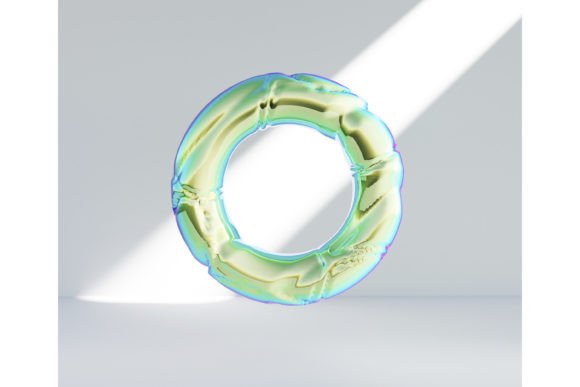
An abstract 3D background is a type of digital artwork that uses three-dimensional elements to create a sense of depth and movement. Unlike traditional flat designs, these backgrounds often feature layered shapes, lighting effects, and perspective to give the illusion of space. When combined with geometric design elements, such as circles, triangles, squares, and cylinders, they become even more visually engaging.
The term abstract refers to the non-representational nature of the design. Instead of depicting recognizable objects, these backgrounds focus on form, color, and structure. This makes them ideal for a wide range of applications, from website design to branding and advertising.
The Role of Geometric Design Elements
Geometric design elements are fundamental to many modern visual styles. They provide structure, balance, and a sense of order. In the context of an abstract 3D background, geometric shapes like spheres and cylinders can be used to create a sense of motion, symmetry, or contrast.
For example, a background featuring multiple spheres arranged in a spiral pattern can suggest movement and energy, while a set of cylinders aligned vertically might evoke a sense of stability and strength. These elements are not just decorative—they also serve functional purposes in design, helping to guide the viewer's eye and create visual hierarchy.
Vibrant Colors and Their Impact
Color is one of the most powerful tools in design. When paired with abstract 3D backgrounds, vibrant colors can enhance the visual impact and emotional resonance of a piece. Bright, contrasting hues can draw attention, while softer tones may create a more calming effect.
Designers often use color theory to select combinations that work well together. For instance, complementary colors (such as blue and orange) create high contrast and visual interest, while analogous colors (like green and yellow-green) offer a more harmonious look. The choice of color can significantly influence how a background is perceived and its effectiveness in different contexts.
Applications in Modern Life
Abstract 3D backgrounds with geometric design elements are not just for artistic expression—they have practical applications across various industries. Here are some examples:
- Web Design: Websites often use these backgrounds to create a modern, professional look. They can be used as headers, overlays, or full-page backgrounds to add visual interest without overwhelming the content.
- Branding: Companies use these designs to create unique logos, marketing materials, and social media graphics that stand out in a crowded market.
- Advertising: Eye-catching backgrounds can be used in digital ads to grab attention and communicate a brand's message more effectively.
- Education: Teachers and educators use these visuals to make presentations more engaging and to illustrate complex concepts in a more digestible format.
- Art and Creativity: Artists and designers use these backgrounds as inspiration for their own work, or as part of larger creative projects.
Why Choose Abstract 3D Backgrounds?
There are several reasons why abstract 3D backgrounds have become so popular:
- Visual Appeal: These backgrounds are inherently attractive and can elevate the overall look of any project.
- Flexibility: They can be adapted to fit different themes, moods, and styles, making them versatile for a wide range of applications.
- Modern Aesthetic: With their futuristic and tech-inspired look, these backgrounds align well with contemporary design trends.
- Emotional Impact: The right combination of shapes and colors can evoke specific emotions, making them powerful tools for communication.
Common Misconceptions About Abstract 3D Backgrounds
Despite their popularity, there are some common misunderstandings about abstract 3D backgrounds:
- Misconception 1: They are only for tech companies or modern brands. While they do fit well with tech-oriented designs, they can be used in any industry, from fashion to education.
- Misconception 2: They are too complicated to create. While creating a high-quality 3D background may require some technical skill, there are many tools and resources available that make it easier than ever to experiment with these designs.
- Misconception 3: They are only for digital use. These backgrounds can be printed on merchandise, banners, and other physical materials, offering versatility beyond the screen.
How to Use Abstract 3D Backgrounds Effectively
If you're considering using abstract 3D backgrounds in your projects, here are a few tips to ensure they are effective:
- Balance is key: Avoid overcrowding the background with too many elements. Let the design breathe and maintain a clear focal point.
- Consider the context: Choose colors and shapes that align with the message or theme of your project.
- Test different formats: Try using JPG, PNG, SVG, AI, and EPS files to see which works best for your needs. Each format has its own advantages depending on the intended use.
Conclusion
Abstract 3D backgrounds with geometric design elements are more than just a design trend—they are a powerful tool for visual communication. Whether you're looking to enhance your website, create a compelling brand identity, or simply explore new creative possibilities, these backgrounds offer a unique and versatile solution. By understanding their purpose, applications, and potential, you can make informed choices that align with your goals and values.